Ever wondered why some digital scenes feel so personal, while others seem far away? The answer often lies in the focal length you pick. By choosing the right focal length, you turn simple images into a compelling visual narrative.
With tools like the Fujifilm X-T4, you can try out focal lengths from 24mm to 85mm. This lets you see how they change your view. Using realistic ai porn lenses gives you exact control over your images’ emotional impact. These settings are key to moving from raw data to professional storytelling.
Knowing how these settings affect your work is crucial. This guide is your guide to mastering the differences between amateur and high-end content. By using these realistic ai porn lenses techniques, your work will feel real and well-made.
Key Takeaways
- Focal length selection is the most critical factor in determining the emotional tone of your digital scenes.
- Wide angles like 35mm create a sense of intimacy and closeness with the subject.
- Longer focal lengths like 85mm introduce dramatic compression and professional cinematic depth.
- The Fujifilm X-T4 serves as an excellent benchmark for testing how different optics change your visual output.
- Mastering these technical settings allows you to elevate your content from amateur to high-end production.
Understanding the Physics of Realistic AI Porn Lenses
The difference between a flat image and a pro masterpiece often comes down to focal length. Knowing the physics of optics lets you change how viewers see your work. Using realistic ai porn lenses means understanding how virtual glass affects your scene.
How Focal Length Affects Perspective and Distortion
Changing your virtual lens settings changes how subjects look. Just like a photographer sees different views with 24mm and 85mm lenses, your AI changes too. A wide-angle lens makes things seem farther apart, while a telephoto lens brings them closer together.
Distortion can be a storytelling tool. By picking a focal length, you decide what’s in the scene and how it frames your subject. Knowing these rules is key for making your content look better with lens choices.
The Role of Cinematic Depth in AI Generation
Mastering cinematic depth lets you control what’s in the front and back of your scene. This makes your content layered and engaging. By tweaking your virtual aperture and focal length, you can make your subject stand out against a busy background.
| Focal Length | Primary Effect | Best Use Case |
|---|---|---|
| 24mm – 35mm | Wide perspective | Environmental storytelling |
| 50mm | Natural, human eye | Balanced portraits |
| 85mm+ | High compression | Dramatic, intimate focus |
Setting Up Your AI Environment for Lens Simulation
Creating a top-notch AI photography studio begins with the right software. Before you start simulating pro photos, make sure your setup is ready for high-quality results. This setup lets you get predictable, high-quality results that look like real camera shots.
Selecting the Right AI Image Generator
Choosing the right AI image generator is key. You need one that supports advanced parameter control and lets you add custom models. It should let you tweak focal length, aperture, and sensor size. Without these options, you can’t perfectly mimic the look of lenses like the 35mm or 85mm.
Look for software with strong community support and regular updates. The best tools connect raw power with your artistic vision. A flexible generator lets your creativity shine without technical limits.
Installing and Configuring Lens Presets AI
After picking your generator, add lens presets ai to make your workflow smoother. These presets ensure your lenses behave consistently across projects. They simplify the math behind optical effects and depth of field, saving you time.
Setting up lens presets ai right means mapping them to your model checkpoints. When done correctly, you can switch between different lens styles easily. This efficiency is crucial for keeping your AI photos professional.
| Feature | Standard Generator | Advanced AI Studio |
|---|---|---|
| Parameter Control | Basic | Full Manual |
| Lens Presets AI | Not Supported | Native Integration |
| Workflow Speed | Slow | Optimized |
| Output Consistency | Low | High |
Mastering the 35mm Lens for Intimate Close-Ups
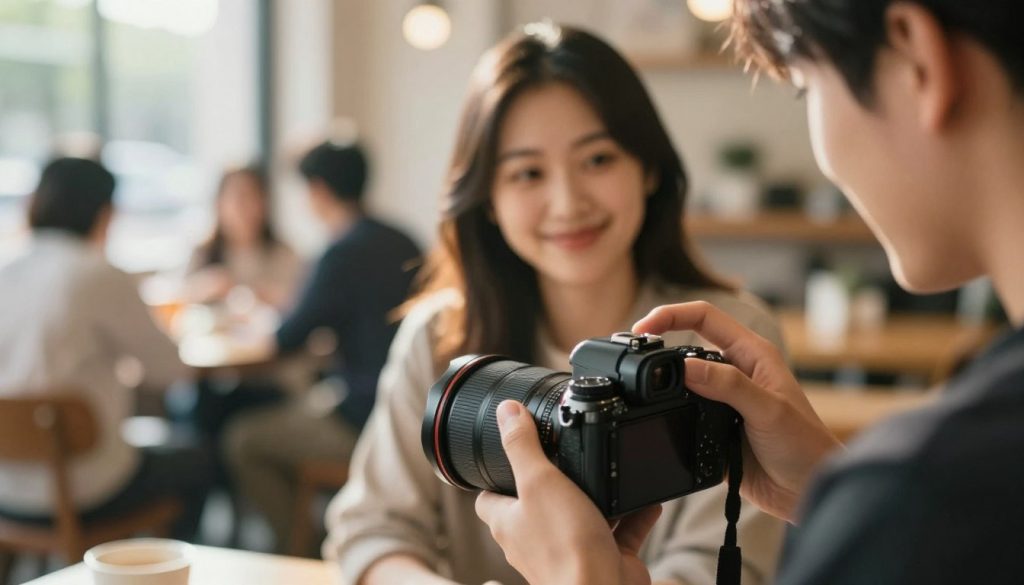
Using a 35mm lens brings your audience right into the scene. It turns a digital image into a visceral experience. This lens mimics our natural view, creating a strong connection that longer lenses can’t match.
Why 35mm Creates a Sense of Presence
The 35mm lens is key for capturing the environment and telling personal stories. It doesn’t compress space like longer lenses do. This lets the viewer feel like they’re physically present with the subject.
This lens offers enough context to show the subject in their setting. It balances wide-angle views with the need for emotional depth. Using this lens, you make the audience feel like they’re in the same space as the subject, creating a deep sense of intimacy.
Positioning the Subject for Maximum Intimacy
To get the most from your 35mm shots, focus on the camera’s distance to the subject. Getting closer creates a more personal, engaging atmosphere that feels real and raw.
Place the subject off-center for a more dynamic shot. This avoids the static feel of an ID photo and captures a moment in time. Make sure the subject looks at the camera for that important eye contact that draws you in.
Managing Wide-Angle Distortion on Faces
The 35mm lens is great for closeness but can distort faces if too close. This can make the nose look too big or stretch facial features. Keep a moderate distance and crop in post-processing if needed.
To avoid distortion, keep the subject’s face parallel to the camera. Avoid extreme angles that show the lens’s wide-angle effects. By keeping the subject centered or using slight tilts, you get a flattering and realistic look that keeps facial features natural.
| Focal Length | Primary Use | Intimacy Level | Distortion Risk |
|---|---|---|---|
| 24mm | Wide Environmental | Low | High |
| 35mm | Intimate Close-Up | High | Low |
| 85mm | Dramatic Portrait | Medium | None |
Achieving Dramatic Tension with 85mm Lenses
Mastering the 85mm focal length lets you turn simple scenes into cinematic wonders. It’s perfect for adding intense drama or focusing on a key detail. This lens gives your work a professional look, crucial for top-notch AI images.
The Compression Effect of Telephoto Lenses
The main perk of an 85mm lens is the compression effect. It makes the background seem closer to your subject than it really is. This narrow view helps remove distractions, keeping your shot clean.
Isolating the Subject from the Background
Good subject isolation is key to professional photos. The 85mm lens’s tight frame pulls the viewer’s eye to the subject. This creates a striking contrast between the sharp subject and the soft background.
Balancing Bokeh and Sharpness for Cinematic Drama
To get true cinematic depth, balance your aperture settings. A wider aperture gives a soft bokeh, making your subject stand out. But, the subject must be sharp to keep the detail.
Getting this balance right is the secret to dramatic images. When you nail these settings, your photos will have the emotional weight and polish of top photography. Regular practice will help you master cinematic depth in every shot.
Step-by-Step Guide to Prompting for Specific Focal Lengths
Precise prompting is the bridge between your artistic intent and the final visual output of your AI generator. Using descriptive language, you can guide the software to mimic the unique optical characteristics of professional camera gear. This structured approach ensures your images reflect the specific perspective and depth you envision.
Crafting Prompts for Wide-Angle Intimacy
For a 35mm aesthetic, your prompts should highlight environmental context and a natural, human-eye perspective. Include keywords like “wide-angle,” “35mm lens,” and “shallow depth of field” to signal the AI. Positioning your subject within a detailed setting helps the generator understand the spatial relationship.
Use phrases that describe the camera’s proximity to the subject. For example, asking for a “cinematic close-up with slight environmental distortion” encourages the AI to mimic the subtle curvature typical of wider lenses. This creates an immersive experience that draws the viewer directly into the scene.
Crafting Prompts for Telephoto Drama
To achieve the dramatic tension associated with 85mm lenses, your prompts must focus on subject isolation and background compression. Use terms like “85mm portrait lens,” “telephoto compression,” and “bokeh background” to guide the AI. These instructions tell the model to flatten the space behind the subject, making them stand out with striking clarity.
Describe the separation between the subject and the backdrop. You might specify a “soft, creamy bokeh” or “tightly cropped portrait” to emphasize the telephoto effect. This technique effectively removes distractions, ensuring the viewer’s attention remains fixed on the subject’s expressions and features.
Refining Results with Negative Prompts
Negative prompts are your most powerful tool for filtering out unwanted artifacts that can ruin a realistic look. Use them to exclude characteristics that contradict your chosen focal length, such as “fisheye distortion” when you want a standard 35mm look. Consistency is key to maintaining the integrity of your lens simulation throughout the generation process.
Consider adding terms like “stretched limbs,” “unnatural perspective,” or “over-processed skin” to your negative prompt list. By explicitly telling the AI what to avoid, you force the model to adhere more strictly to the optical rules of your target lens. This simple step significantly improves the professional quality of your final output.
Advanced Techniques for Realistic AI Porn Lenses
To get top-notch results with realistic ai porn lenses, you need to understand light and optics. Going beyond the basics lets you create images that look like they were shot in a studio.
Combining Lens Simulation with Lighting Effects
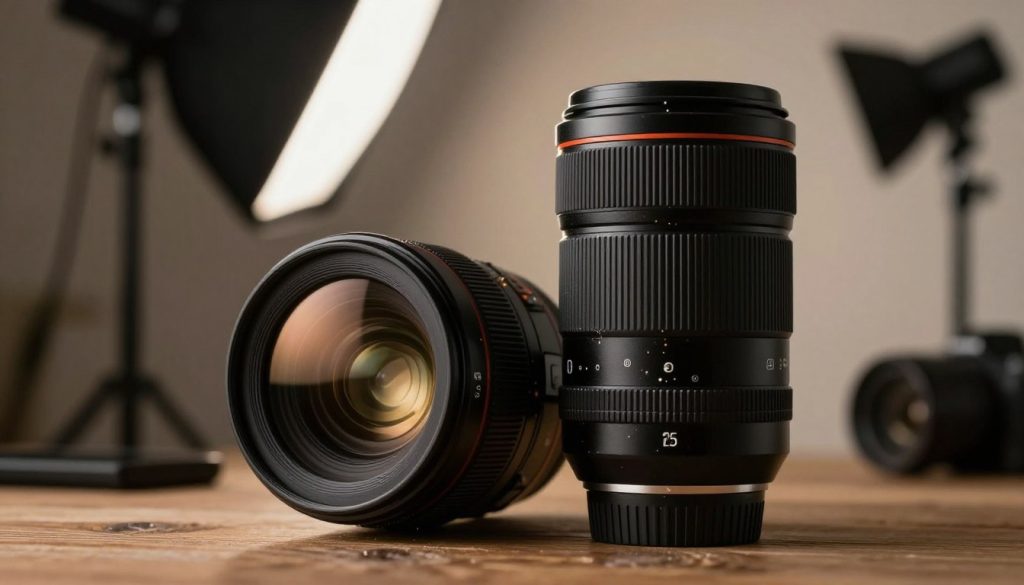
The best images mix virtual optics with real lighting. When you match your light sources with the lens’s focal length, you get a cohesive aesthetic. This makes your images feel real.
Think about how a wide-angle lens looks with soft light versus a telephoto lens with sharp highlights. Strategic lighting placement sets the mood and highlights your subject.
Adjusting Aperture Settings for Depth of Field
Changing your virtual aperture controls the depth of field. A wide aperture, like f/1.4, focuses on your subject. A narrow aperture keeps more of the scene sharp.
Using realistic ai porn lenses means picking the right f-stop for your story. This control lets you direct the viewer’s attention.
Simulating Sensor Size and Crop Factors
Adjusting sensor size and crop factors can fine-tune your images. These settings change how your lens captures the scene, affecting the field of view and texture.
Trying full-frame versus cropped sensor simulations can add a cinematic feel. Mastering these advanced technical variables makes your work look professional and polished, just like traditional photography.
Troubleshooting Common AI Lens Simulation Issues
Getting perfect cinematic realism can be tricky. Even with top-notch lens presets ai, you might see unexpected issues. These can ruin the feel of your scene.
Fixing Unnatural Perspective Shifts
When AI has trouble with scene depth, you might see weird perspective shifts. If your image looks warped, check your focal length settings. Make sure they match the scene’s depth.
AI might get the distance wrong, making things look fake. Adjusting your lens presets ai can help. This way, the AI will get the perspective right, making your scene feel real.
Correcting Over-Processed Skin Textures
Too much sharpening or upscaling can make skin look fake or too smooth. This happens when AI tries to fix low-quality images by over-reducing noise.
To fix this, tone down your filters or lower the upscaling. Finding the right balance between clear skin and natural look is key for a pro finish.
Maintaining Consistency Across Multiple Frames
Keeping the same look in every frame is hard. If your lens presets ai settings change, your video will look choppy.
Locking seed values and using the same prompt modifiers for each frame helps. This keeps the optical characteristics consistent in your project.
| Common Issue | Primary Cause | Recommended Fix |
|---|---|---|
| Perspective Warp | Focal length mismatch | Adjust lens presets ai |
| Plastic Skin | Over-aggressive upscaling | Reduce sharpening filters |
| Frame Jitter | Variable seed values | Lock seed and parameters |
Workflow Optimization for Cinematic AI Projects
When you’re making lots of high-quality AI images, being efficient is key. Keeping a consistent look in a big library is hard. By improving your tech, you can spend more time on creativity, not just doing the same thing over and over.
Batch Processing with lens presets ai
Doing manual tweaks for every frame can slow you down. Lens presets ai lets you change the look of many images at once. This keeps your pictures looking the same, which is important.
Consistency is the hallmark of professional work. Using standard presets means you don’t have to guess. It makes sure your images look like they belong together, which viewers will notice.
Post-Processing Techniques to Enhance cinematic depth
After making your images, you can make them even better with some tweaks. Focus on making things stand out more by adding cinematic depth. Small changes in color and light can make a big difference.
Try sharpening certain parts and blurring others. This makes your images feel more real. With these final steps, your project will have a depth that pulls viewers in.
Conclusion
Learning about focal length simulation changes how you create digital content. You now know how to control perspective and depth. This lets you make images that really connect with people.
Getting better takes practice. Try different settings in Midjourney or Stable Diffusion to find your style. Even small changes can make a big difference in your work.
Use what you’ve learned in your next projects to get a movie-like feel. Every image you make is a chance to get better. Share your work to get feedback and keep improving.
The journey to making top-notch visuals is exciting. Keep exploring what your software can do. Your hard work will make your images stand out in a busy digital world.
FAQ
Why is selecting the correct focal length essential for creating realistic ai porn lenses effects?
The right focal length is key for telling stories with images. It’s like choosing a camera, like a Sony Alpha or Canon EOS. The focal length changes how we see the subject.
A 35mm lens makes us feel like we’re part of the scene. An 85mm lens, however, makes the subject stand out more. This gives your AI images a cinematic feel.
How does cinematic depth influence the realism of my digital content?
Cinematic depth adds layers to a scene. It’s about how much of the scene is in focus. By using aperture and focal length, you can blur the background and keep the subject sharp.
This technique is used in professional movies. It makes your AI images look like they’re from a big-budget film.
Can I use lens presets ai with tools like Stable Diffusion or Midjourney?
Yes, you can use lens presets ai with tools like Stable Diffusion and Midjourney. In Stable Diffusion, you can use special LoRAs or ControlNet settings. In Midjourney, you can use parameters like “–v 6” and describe the camera to get the right look.
What is the primary benefit of the 35mm lens for intimate scenes?
The 35mm lens is great for making scenes feel real. It’s like our own eyes, capturing more of the scene. This makes the story deeper and more emotional.
What is the “compression effect” associated with 85mm lenses?
The 85mm lens makes the background seem closer to the subject. This “compression” is flattering for people, making their features stand out. It also creates a smooth blur in the background, adding drama to your AI images.
How do I fix over-processed skin textures in my AI lens simulations?
To fix smooth skin, add texture keywords to your prompt. Use words like “pores,” “fine lines,” or “natural skin imperfections.” Also, try reducing the “CFG Scale” in Stable Diffusion or add grain in Adobe Photoshop to make the skin look more natural.
Is it possible to automate the lens simulation process for large projects?
Yes, you can automate lens simulations for big projects. Use lens presets ai and batch scripts in your AI tools. This keeps your project looking consistent, saving time and effort.
How does aperture affect the outcome of a simulated lens?
Aperture controls light and depth of field. A wide aperture, like f/1.8, creates a shallow focus. This is good for isolating subjects. In AI, asking for a “wide open aperture” helps blur the background, making your images look professional.