Ever wondered why some digital images seem flat, while others draw you in like a movie? The answer often lies in how light and shadow are handled. To get professional-grade visuals, you need more than just the raw image. You need a detailed approach to post-production.
With the right tools, you can turn ordinary digital images into stunning experiences. This guide will show you how to master realistic ai porn color grading and enhance atmosphere. These techniques help you move from basic to high-quality results that engage your audience.
Consistency is key for keeping a mood in your projects. Whether adjusting skin tones or creating a scene, the right LUTs are crucial. Let’s explore the workflows that will take your creativity to new heights.
Key Takeaways
- Understand the role of LUTs in professional visual pipelines.
- Learn to balance skin tones for a natural, lifelike appearance.
- Discover how to build atmosphere through strategic light manipulation.
- Master the transition from flat outputs to cinematic masterpieces.
- Improve viewer engagement through consistent aesthetic choices.
Understanding the Fundamentals of Realistic AI Porn Color Grading
To get professional results, you need to understand the basics of realistic ai porn color grading. It’s about changing light and color to tell a story visually. AI images often look flat and lack the real feel of movies.
Color science helps turn digital images into something cinematic. Knowing how colors work with skin can make AI images look real. This is key for improving your content.
Using 3D LUTs is a powerful tool. These files, usually in .cube format, change colors in a way that looks like high-end film. They let you add professional looks to your work quickly and accurately.
The table below shows how AI images change with 3D LUTs:
| Feature | Raw AI Output | Graded AI Content |
|---|---|---|
| Skin Tone Accuracy | Often desaturated or flat | Natural, vibrant, and warm |
| Contrast Levels | Uniform and muddy | Deep blacks and bright highlights |
| Color Palette | Digital and artificial | Cinematic film-like tones |
| Visual Depth | Lacks dimension | Enhanced atmospheric presence |
Getting good at realistic ai porn color grading takes time and attention to detail. By using these basic steps, you can make sure your work looks great. Always aim to improve the image, not hide it.
Preparing Your AI-Generated Assets for Professional Grading
High-quality visual production starts with technical preparation of your raw files. Before you start, make sure your assets are ready for post-production. This step prevents data loss and keeps your final product looking great.
Setting the Correct Color Space and Bit Depth
AI-generated media needs strict color space standards to avoid color issues. Use a high bit depth, like 10-bit or higher, for smoother colors. This is essential for realistic ai porn color grading on skin tones.
If your files are only 8-bit, you might see problems during grading. Always check your project settings to match your source footage. This keeps your color information consistent from start to finish.
| Bit Depth | Color Range | Grading Potential |
|---|---|---|
| 8-bit | 256 levels | Limited |
| 10-bit | 1,024 levels | High |
| 12-bit | 4,096 levels | Professional |
Managing Exposure and Contrast Before Applying LUTs
After setting your project settings, work on the base exposure of your clips. Use the Premiere Pro Lumetri Color panel for this. Adjust the basic correction sliders to a neutral point before adding LUTs.
Balance your shadows and highlights to avoid clipping. Normalizing your footage first makes it easier for LUTs to work well. This methodical approach ensures your LUTs enhance the image in a visually pleasing way.
Selecting the Right LUT Pack for Skin Texture and Tone
Choosing the right LUT pack is crucial for color grading ai porn. It sets the foundation for natural-looking skin tones. High-quality presets help blend raw digital images with a cinematic look.
Identifying Skin Tone Variations in AI Imagery
AI images often have varied skin tones that change frame by frame. First, check the color profile of your images. Look for cool, desaturated, or saturated hues. Consistency is key to keep your audience engaged.
For managing these changes, start with a neutral LUT. This lets you adjust colors while keeping the original texture. Catching these changes early helps avoid heavy corrections later.
Balancing Natural Warmth Against Digital Artifacts
Getting a professional look means balancing warmth and reducing digital noise. The Portra 400 LUT is great for this. It adds warm skin tones and fine grain, like traditional film.
When using these effects, watch out for digital artifacts. Too much saturation can highlight errors. Use the table below to choose the right LUT for your project:
| LUT Style | Primary Benefit | Best Use Case |
|---|---|---|
| Portra 400 | Warm, Film-like Grain | Softening harsh AI skin textures |
| Neutral Log | High Dynamic Range | Correcting extreme color casts |
| High Contrast | Deep Shadow Detail | Adding depth to flat AI imagery |
By choosing wisely, your color grading ai porn projects will look great. Focus on presets that keep skin details sharp while handling digital issues.
Step One: Applying Base LUTs for Consistent Flesh Tones
Starting your color grading ai porn workflow is key. By using a base Look-Up Table (LUT), you set a color standard for your raw AI assets. This step makes sure skin tones look the same in all clips, giving you a solid base for more creative work.
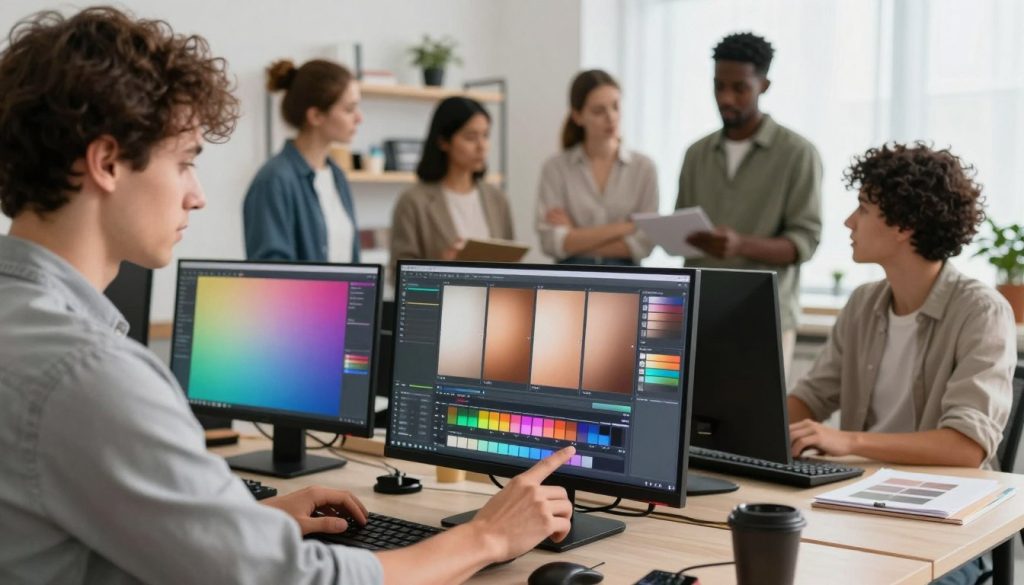
Importing LUTs into DaVinci Resolve or Adobe Premiere Pro
To start, you need to add your LUTs to your editing software. In DaVinci Resolve, go to Project Settings and pick the Color Management tab. This way, your LUTs are ready for every clip in your timeline.
In Adobe Premiere Pro, use the Lumetri Color panel under Creative. Just find your LUT in local folders. Once you do, these presets will quickly standardize your project’s look.
Adjusting Opacity and Intensity for Subtle Results
Using a LUT at full strength can make things look fake or too processed. Always tweak the opacity or intensity to mix it smoothly with your original footage. This subtle approach helps keep skin textures real while doing professional color grading ai porn.
| Software | Import Method | Adjustment Control |
|---|---|---|
| DaVinci Resolve | Project Settings | Key Output Gain |
| Adobe Premiere | Lumetri Panel | Intensity Slider |
| Final Cut Pro | Custom LUT Effect | Mix Percentage |
Step Two: Enhancing Atmosphere Through Secondary Color Correction
Refining your image with secondary tools gives you precise control over the final mood. Base adjustments lay the groundwork, but secondary correction targets specific elements. This is key for high-quality color grading ai porn, making the final look polished and intentional.
Using Power Windows to Isolate Skin Tones
Power Windows are great for creating masks around your subject. They let you adjust specific areas without changing the background. This precision keeps your subject in the spotlight.
It’s important to track these windows as your subject moves. A tight mask prevents color spill and keeps the look natural. This method is crucial for maintaining consistent skin tones in your clip.
Adjusting Midtones and Highlights for Depth
After isolating the skin, you can tweak midtones and highlights for cinematic depth. A common method is using a Teal and Orange look for contrast. This makes the skin tones stand out against the background.
Adjusting midtones balances the skin’s luminance, avoiding a flat or artificial look. Mastering this balance elevates your color grading ai porn projects. Always check your scopes to keep your adjustments realistic for the best outcome.
Step Three: Fine-Tuning Shadows and Highlights for Cinematic Depth
Turning flat AI exports into stunning visuals begins with tweaking shadows and highlights. A top-notch lut pack gives you access to tools that set the mood of your scene. These tweaks make your final product feel crafted, not just generated.
Managing Black Levels to Avoid Crushed Details
It’s easy to overdo black levels, leading to crushed shadows where details disappear. Aim for shadows that are rich but still show details in dark areas. Hollywood color grading uses a soft transition from midtones to deep blacks, keeping it natural.
When using your lut pack, keep an eye on your scopes to avoid clipped blacks. If shadows look muddy, tweak the tone curve’s bottom end. This keeps your work looking professional and full of depth.
Adding Subtle Glows to Enhance Atmospheric Lighting
After balancing shadows, add soft glows for a deeper atmosphere. These glows mimic camera lens interactions, adding a dreamy, polished look to your AI assets. A soft bloom on highlights makes lighting feel more natural.
Don’t overdo the glow effect for a big impact. A light touch with a lut pack that includes highlight diffusion can give you that blockbuster feel. The aim is to enhance the light, not to add artificial effects.
Step Four: Correcting Color Casts Common in AI Generation
Fixing color casts is key to making AI images look like real movies. AI models often add unnatural green or magenta colors. This can make skin look unhealthy or fake. Using a lut pack helps remove these colors and brings back natural colors.
Neutralizing Unnatural Green or Magenta Tints
When you see green or magenta casts, use a color correction tool. Fuji Film LUTs are great for keeping skin tones natural while fixing these colors. A good lut pack corrects these colors all over without losing skin texture.
If the color is hard to fix, try adjusting midtones with your software’s color wheels. Moving midtones to the opposite color on the wheel can fix it fast. Always check your scopes to avoid unnatural colors.
Balancing White Balance for Realistic Skin Rendering
Getting skin to look real depends on the right white balance. AI images often have the wrong temperature, making skin look off. Adjust the temperature and tint until whites look neutral and skin has a healthy glow.
After setting white balance, apply your lut pack again. This keeps colors accurate and lifelike. Good white balance is the base for all color grading steps.
| Color Issue | Primary Cause | Correction Method |
|---|---|---|
| Green Tint | AI Model Bias | Shift toward Magenta |
| Magenta Tint | Sensor Emulation | Shift toward Green |
| Cool/Blue Skin | Incorrect WB | Increase Temperature |
| Flat Contrast | Raw AI Output | Apply LUT Pack |
Step Five: Applying Grain and Texture Overlays for Realism
To get a cinematic look, you need more than just color. You also need the texture of film. Your lut pack sets the color base, but digital files can look too clean. Adding grain makes your images feel more like film.
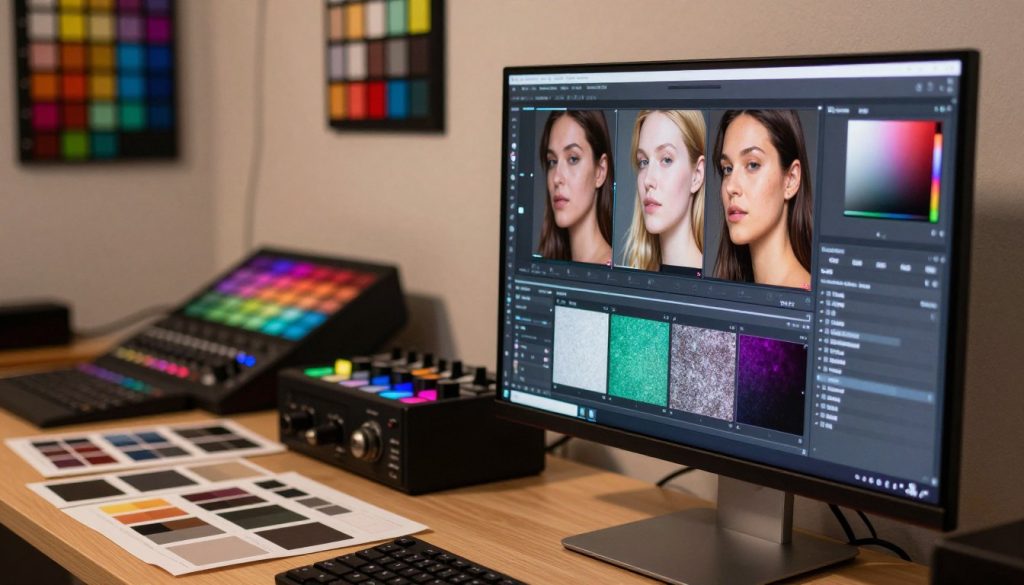
Choosing the Right Film Grain Density
Finding the right grain density is key. For a Portra 800 style, choose a finer grain. This matches the warmth and deep blacks of that look. A coarse grain can hide important details, so check your settings at full resolution.
Think about your source material’s resolution when adding a lut pack. High-res AI needs a fine grain, like 35mm film. Lower-res footage might need a heavier texture to hide digital flaws.
Blending Texture Layers with Skin Highlights
Blending grain with your video is crucial. Use a soft light or overlay mode to blend it naturally. This keeps the grain from overpowering your skin tones.
Pay attention to how grain affects skin highlights. Masking grain from shadows and highlights keeps your look professional. Here’s how different grain levels work with your color grade.
| Grain Type | Best Use Case | Impact on Skin | Recommended LUT |
|---|---|---|---|
| Fine Grain | High-res portraits | Preserves pore detail | Portra 800 |
| Medium Grain | General cinematic | Adds organic depth | Standard Film LUT |
| Heavy Grain | Vintage/Gritty | Softens harsh highlights | B&W or High Contrast |
Advanced Techniques for Skin Smoothing and Detail Retention
Getting professional-looking skin results is more than just a basic filter. Your lut pack sets the color base, but fine-tuning makes the image look real, not overdone.
Using Frequency Separation in Color Grading
Frequency separation is a key tool for retouchers. It separates skin texture from color. This lets you control the final look precisely.
- Low-frequency layer: Holds color and tone, smoothing out blemishes.
- High-frequency layer: Keeps fine details like pores and lines.
This method smooths skin tones without losing important details. It works well with your lut pack to keep the color grade even.
Maintaining Pore Detail While Softening Harsh Shadows
Harsh shadows can make AI faces look unflattering. To fix this, focus on softening transition zones, not the whole image.
Apply a soft brush to the low-frequency layer to blend shadows. Leave the high-frequency layer as is to keep skin texture natural, even in dark areas.
This method avoids the “plastic” look common in digital portraits. Mixing these tweaks with a good lut pack adds depth and realism to your images.
Troubleshooting Common Issues with AI Color Grading
Even the most advanced AI visuals can hit technical roadblocks. Your first render might impress, but intense color adjustments often reveal hidden flaws.
Understanding these limitations is key to a cinematic look. Spotting errors early keeps your project quality high.
Fixing Banding and Compression Artifacts
Banding happens when color depth can’t handle aggressive grading. It shows as steps in gradients, especially in smooth skin or soft backgrounds.
To fix this, work in high bit-depth. If artifacts show after a lut pack, add film grain. This hides the digital blocks, making it look more like film.
Resolving Skin Tone Clipping in High-Contrast Scenes
High-contrast scenes can cause skin tone clipping. This makes skin look flat or too bright, ruining the realism of AI characters.
Use power windows to target affected areas. Lower the gain or adjust highlights in those masks. A lut pack for high dynamic range helps too. Consistent monitoring keeps skin tones natural.
Best Practices for Maintaining Visual Consistency Across Projects
Consistency is key for top creators, especially with AI-generated assets. A uniform look builds trust and a strong brand. Professionalism means reliably keeping a look across scenes.
Creating Custom LUT Presets for Your Workflow
Save your color grades as presets to keep things uniform. This way, you don’t start over with each new project. It saves a lot of time and lets you focus on creative tweaks.
Having your own preset library gives you full control over your work. You can adjust them for different lighting or skin tones while keeping the main look. This is crucial for maintaining quality as you grow your production.
Standardizing Your Grading Pipeline for Efficiency
A standard pipeline is the heart of your post-production. Using a lut pack daily removes the uncertainty that leads to mixed results. This method ensures every image meets your color and depth standards.
Efficiency is about predictability, not just speed. A consistent lut pack means less troubleshooting later. It lets you explore new ideas while keeping your visuals cohesive.
Conclusion
Mastering color grading turns raw AI images into stunning cinematic art. You now have the skills to blend digital creation with professional looks.
Your creative vision depends on the tools you choose. A top-notch lut pack helps keep skin tones and atmosphere consistent. These presets are your base for expressing your unique style.
Practice is key to growing as a digital artist. Try different settings in DaVinci Resolve or Adobe Premiere Pro. See how small changes can alter your work’s mood. Each project is a chance to improve your style and explore AI’s limits.
Share your work with others to get feedback and ideas. Your skill in light and color makes your work stand out. Keep learning new techniques and stay curious about post-production’s future.
FAQ
Why is color science so important when you are working with AI-generated imagery?
Color science is key when working with AI images. It helps manage light and color in digital spaces. Using 3D LUTs, you can get a film-like look at a lower cost.
How should you prepare your assets before applying a lut pack?
Make sure your assets are in the right color space and bit depth. Use Adobe Premiere Pro’s Lumetri Color panel to adjust exposure and contrast. This ensures your final product looks great and avoids digital issues.
Which lut pack is best for achieving realistic skin textures in AI projects?
The best lut pack depends on your footage’s look. Tools like Portra 400 LUT work well for a clean film look. Aim for natural warmth and avoid digital artifacts for organic skin.
How do you import and adjust LUTs in professional editing software?
Import your files into DaVinci Resolve or Adobe Premiere Pro. Adjust the layers’ opacity and intensity for a subtle, professional look. This avoids over-processing.
What is the best way to isolate and refine skin tones?
Use secondary color correction and Power Windows to isolate skin tones. Adjust midtones and highlights separately. A Teal and Orange look adds contrast and cinematic depth.
How can you achieve cinematic depth without losing detail in the shadows?
Manage black levels carefully to avoid losing details. Fine-tune shadows and highlights and add glows. This enhances atmospheric lighting and gives a polished look.
How do you fix the unnatural green or magenta tints often found in AI generation?
AI often introduces unnatural color casts. Perform a white balance correction during grading. A high-quality lut pack ensures accurate colors and realistic skin tones.
Why is adding film grain necessary for realistic AI video?
Film grain and texture overlays make AI look more realistic. Choose the right grain density to blend with skin highlights. This creates an authentic look that mimics traditional film.
Can you smooth skin while still maintaining realistic pore detail?
Yes, advanced techniques like frequency separation can smooth out skin while keeping textures. Using these methods with your favorite lut pack ensures soft, appealing skin with human-like details.
How do you troubleshoot banding or compression artifacts after grading?
Banding can occur after grading on low-bitrate files. Use proper masking and work in a high-quality workspace. A reliable lut pack and monitoring scopes help catch and fix issues before export.
How do you maintain a consistent visual style across a large portfolio?
Standardize your pipeline for consistency. Create custom LUT presets based on successful grades. Use a consistent lut pack to save time and ensure a uniform aesthetic in your portfolio.